
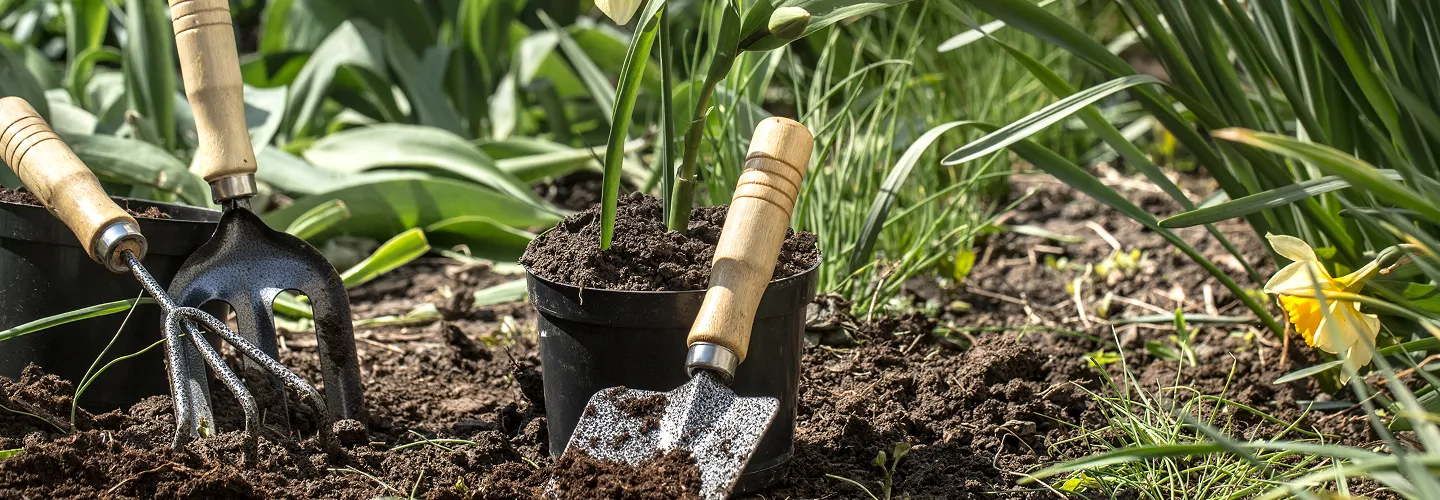
Southside Place Flower Bed Maintenance Services
Choose our Flower Bed Maintenance for expert care that keeps your garden blooming year-round—enjoy lush, healthy beds without the hassle, thanks to our reliable and detail-oriented team.
Get a Free QuoteOur Southside Place Landscaping & Yard Care Services
When to Schedule Flower Bed Maintenance in Southside Place, Texas – Seasonal Guide
In Southside Place, Texas, the best times for flower bed maintenance are shaped by our unique Gulf Coast climate and the specific needs of local landscapes. Early spring, just after the last frost date, is ideal for cleaning beds, refreshing mulch, and planting annuals, while late fall is perfect for preparing beds for winter and managing perennials. The humid summers and occasional droughts in neighborhoods like Braeswood Place and near Evelyn’s Park require careful timing to avoid heat stress and maximize plant health.
Local factors such as heavy shade from mature oaks, clay-rich soils, and the city’s periodic watering restrictions all play a role in determining when and how to maintain your flower beds. For more information on local environmental guidelines, visit the Southside Place municipal site.
Local Factors to Consider for Flower Bed Maintenance in Southside Place
- Tree density and shade coverage from mature canopies
- Soil composition, especially clay-heavy or compacted areas
- Seasonal precipitation patterns and drought risk
- Proximity to landmarks like Evelyn’s Park or Bellaire Boulevard
- Municipal watering restrictions and local ordinances
- Terrain slope and drainage characteristics
Benefits of Flower Bed Maintenance in Southside Place
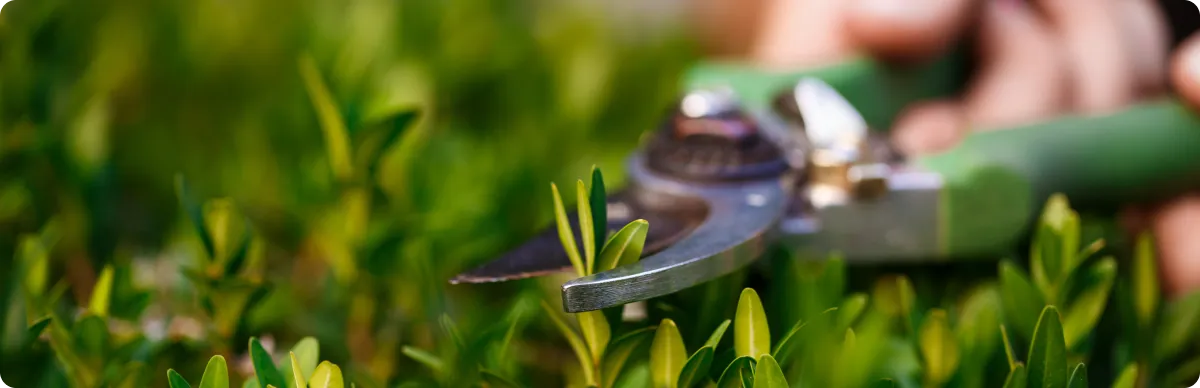
Enhanced Curb Appeal
Weed and Pest Prevention
Healthier Plant Growth
Seasonal Color Management
Professional Expertise
Time and Effort Savings
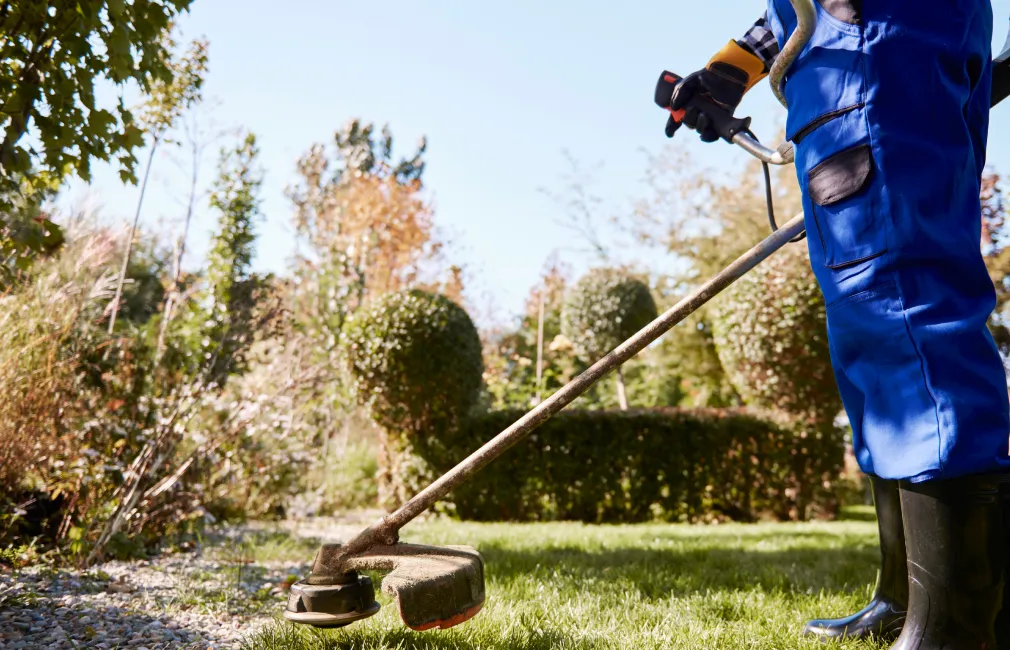
Southside Place Flower Bed Maintenance Types

Seasonal Flower Planting
-
Weed Control Services
-
Soil Amendment and Fertilization
-
Mulching and Edging
-
Pruning and Deadheading
-
Irrigation System Checks
-
Pest and Disease Management
Our Flower Bed Maintenance Process
Site Evaluation
Weed Removal
Soil Preparation
Plant Care
Mulching
Why Choose Southside Place Landscape Services
-
Southside Place Homeowners Trust Us
-
Expert Lawn Maintenance
-
Reliable Scheduling
-
Competitive Pricing
-
Professional Team
-
Satisfaction Guarantee
-
Personalized Service
Soil Series and Drainage Considerations for Flower Beds in Southside Place
Southside Place is characterized by Houston Black clay and related Vertisols, which are expansive, alkaline soils with a pH typically ranging from 7.5 to 8.2. These soils are known for poor drainage and seasonal water retention, requiring careful site preparation for flower bed maintenance. To improve drainage and root health, it is recommended to incorporate 2-3 inches of compost tilled to a 6-inch depth and to conduct a soil test through Texas A&M AgriLife Extension (typical cost: $15-25). For beds with persistent waterlogging, raised beds at least 8-12 inches high are advised. Soil amendments such as elemental sulfur may be used to lower pH if acid-loving species are selected. Research local soil series using the USDA Web Soil Survey for site-specific recommendations.
Southside Place Public Works Department
6309 Edloe Avenue, Southside Place, TX 77005
Phone: (713) 668-2341
Official Website: Southside Place Public Works Department
Seasonal Timing and Climate Zone Guidance for Southside Place Flower Beds
Southside Place is located in USDA Hardiness Zone 9a, with average annual minimum temperatures of 20-25°F. Optimal planting windows for annuals and perennials are February 15–March 31 (spring) and October 1–November 15 (fall), avoiding the peak summer heat. Soil temperatures should be above 55°F for spring planting. The National Weather Service Houston/Galveston Office provides up-to-date local forecasts to guide timing. Mulching flower beds with 2-3 inches of organic material helps moderate soil temperature and retain moisture during hot, dry periods. Key timing recommendations include:
- Spring planting: February 15 – March 31
- Fall planting: October 1 – November 15
- Mulch renewal: March and October
- Avoid planting June–August due to heat stress
Municipal Regulations and Flower Bed Maintenance Ordinances in Southside Place
Flower bed maintenance in Southside Place is governed by city ordinances addressing equipment operation, debris disposal, and property line setbacks. Equipment may be operated:
- Monday–Friday: 7:00 AM – 7:00 PM
- Saturday: 8:00 AM – 6:00 PM
- Sunday and holidays: Prohibited All green waste, including flower bed trimmings, must be placed in biodegradable bags or reusable bins (32-gallon max) for Thursday curbside collection, April–November. Plastic bags and branches over 4 inches in diameter are not accepted. Setbacks require flower beds to be at least 3 feet from property lines unless otherwise permitted. For construction or significant landscape changes, permits may be required through the Building Department.
Southside Place Building Department
6309 Edloe Avenue, Southside Place, TX 77005
Phone: (713) 668-2341
Official Website: Southside Place Building Department
Environmental Compliance: Stormwater, Buffer Zones, and State Regulations
All flower bed maintenance activities in Southside Place must comply with the Texas Water Code and Clean Water Act requirements. The city operates under an MS4 permit, prohibiting the discharge of soil, mulch, or plant debris into storm drains. Maintain a 25-foot no-disturbance buffer from any designated wetlands or drainage ditches. Fertilizer and pesticide applications are restricted within 50 feet of water bodies. Only products registered with the Texas Commission on Environmental Quality (TCEQ) may be used, and all applicators must follow label rates and timing. For additional guidance, consult:
Texas Commission on Environmental Quality (TCEQ)
12100 Park 35 Circle, Austin, TX 78753
Phone: (512) 239-1000
Official Website: Texas Commission on Environmental Quality (TCEQ)
Plant Selection and Native Species Recommendations for Southside Place Beds
Selecting species adapted to Southside Place’s alkaline, clay-rich soils and Zone 9a climate is essential for sustainable flower bed maintenance. Recommended species include:
- Full sun: Black-eyed Susan (Rudbeckia hirta), daylily (Hemerocallis spp.), purple coneflower (Echinacea purpurea)
- Partial shade: Turk’s cap (Malvaviscus arboreus), columbine (Aquilegia canadensis), hosta (Hosta spp.)
- Deer resistant: Russian sage (Perovskia atriplicifolia), salvia (Salvia greggii), lavender (Lavandula angustifolia)
- Native options: Winecup (Callirhoe involucrata), Gulf Coast penstemon (Penstemon tenuis), cardinal flower (Lobelia cardinalis) Plant spacing should be 12–18 inches for annuals and 18–24 inches for perennials to ensure air circulation and reduce disease risk. For further plant selection guidance, refer to Texas A&M AgriLife Extension.
What Neighborhoods Do We Serve Throughout Southside Place, TX?
- Southside Place Historic District: Features mature trees and established clay soils, requiring careful root zone management and frequent soil amendment for optimal flower bed health.
- Braes Heights: Characterized by larger lots and proximity to Brays Bayou, with periodic flooding and drainage challenges impacting bed placement and species selection.
- Edloe Street Corridor: Urban density and compacted soils necessitate raised beds and regular compost incorporation to improve drainage and plant vigor.
- Bellaire Junction: Near city boundaries, this area faces mixed soil fill and variable pH, requiring site-specific soil testing and amendment strategies.
- Fire Truck Park Area: High community use and foot traffic demand durable, low-maintenance plantings and regular mulch renewal to prevent soil compaction.
- University Place Border: Proximity to commercial corridors introduces runoff and pollution concerns, making buffer zones and stormwater compliance critical for flower bed maintenance.