
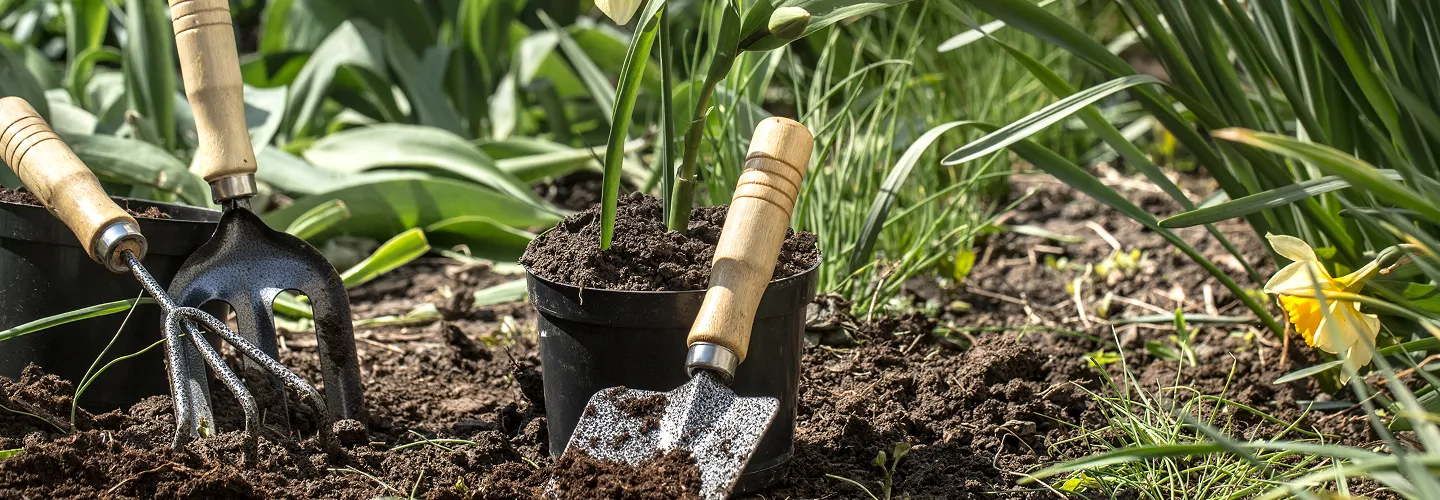
Southside Place Plant Removal Services
Choose our Plant Removal service for expert care, fast turnaround, and eco-friendly disposal—ensuring your property stays safe, beautiful, and ready for your next landscaping project.
Get a Free QuoteOur Southside Place Landscaping & Yard Care Services
When to Schedule Plant Removal in Southside Place, Texas – Seasonal Guide
In Southside Place, Texas, the best time for plant removal is typically during the late fall and early winter months, after the last frost but before the onset of spring growth. This timing allows for easier extraction, as many plants enter dormancy and the soil is more workable. The local climate, characterized by humid summers and mild winters, means that scheduling around the region’s unique weather patterns is essential for optimal results. Neighborhoods near Evelyn’s Park or along Bellaire Boulevard often experience varying shade coverage and soil moisture, which can impact removal strategies.
Environmental factors such as the risk of drought during late summer, high humidity levels, and the clay-heavy soils common in Southside Place neighborhoods like Braeswood Place all play a role in determining the best removal window. Additionally, it’s important to consider municipal guidelines and local restrictions, which can be found on the Southside Place city website, before scheduling any major landscape changes.
Local Factors to Consider for Plant Removal in Southside Place
- Tree density and mature canopy coverage
- Soil type (clay, loam, or sandy soils)
- Seasonal precipitation and drainage patterns
- Proximity to landmarks such as Evelyn’s Park or Bellaire Boulevard
- Municipal restrictions and permit requirements
- Risk of drought or excessive humidity
- Terrain and accessibility of the removal site
Benefits of Plant Removal in Southside Place
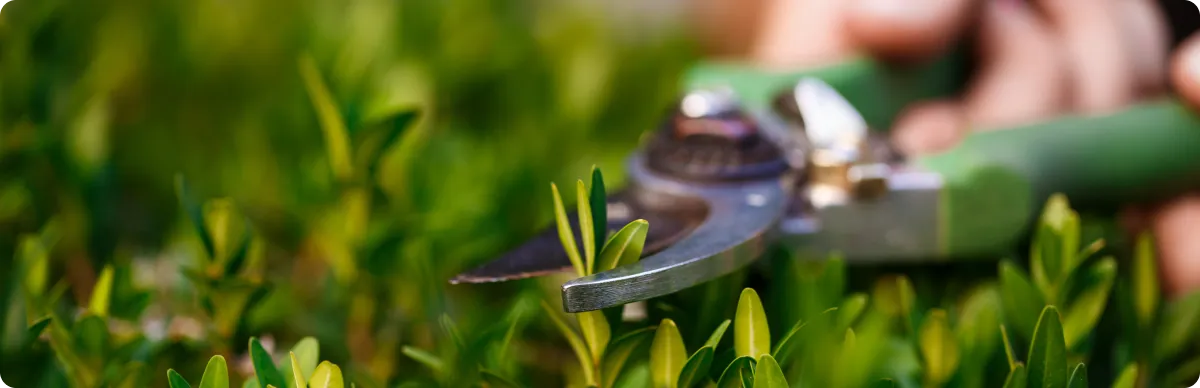
Improved Landscape Health
Enhanced Curb Appeal
Prevention of Pest Infestations
Increased Usable Space
Professional and Efficient Service
Eco-Friendly Disposal Practices
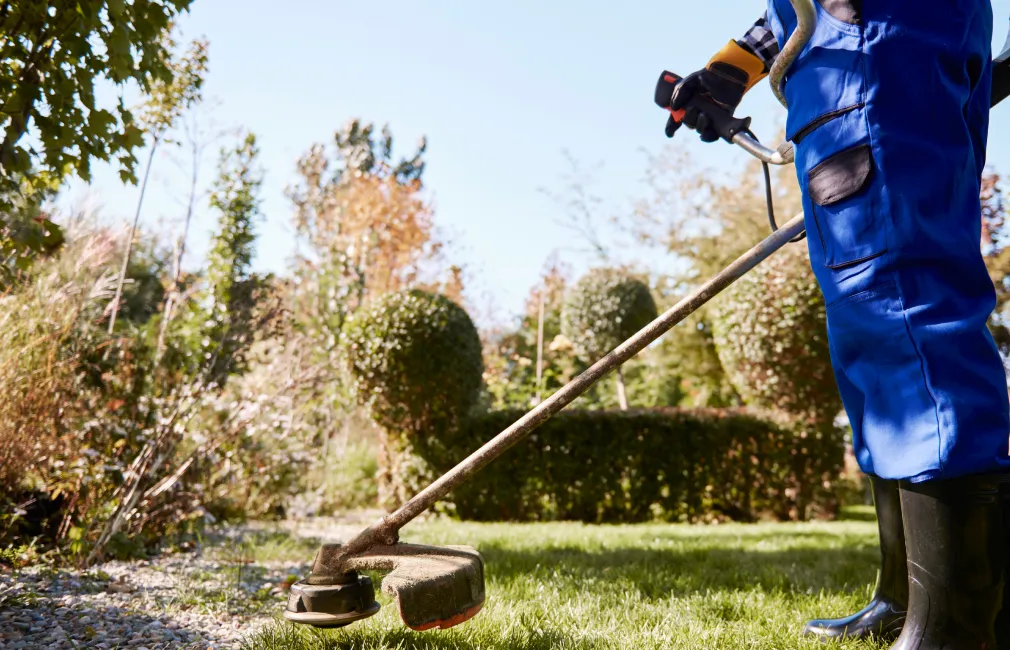
Southside Place Plant Removal Types

Tree Removal
-
Shrub Removal
-
Stump Grinding
-
Invasive Species Removal
-
Root System Extraction
-
Overgrown Vegetation Clearing
-
Flower Bed Cleanout
Our Plant Removal Process
Site Evaluation
Preparation and Safety Measures
Plant Extraction
Debris Removal
Site Restoration
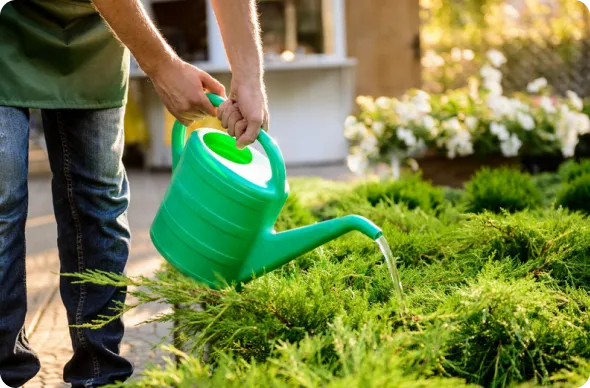
Why Choose Southside Place Landscape Services
-
Southside Place Homeowners Trust Us
-
Expert Lawn Maintenance
-
Reliable Scheduling
-
Competitive Pricing
-
Professional Team
-
Satisfaction Guarantee
-
Personalized Service
Plant Removal Ordinances and Permit Requirements in Southside Place
Plant removal activities in Southside Place are governed by specific municipal ordinances to ensure public safety, environmental protection, and neighborhood character preservation. Removal of trees with a diameter at breast height (DBH) greater than 6 inches requires a permit, with an application fee of $50 and a standard review period of 10 business days. Protected species, including live oaks and elms, and any tree within 25 feet of a public right-of-way or park, are subject to additional review. Equipment operation is permitted during the following hours:
- Monday-Friday: 7:00 AM - 7:00 PM
- Saturday: 8:00 AM - 6:00 PM
- Sunday and holidays: Prohibited Permit applications and ordinance details are managed by the Building Department.
Southside Place Building Department
6309 Edloe Avenue, Southside Place, TX 77005
Phone: (713) 668-2341
Official Website: Southside Place Building Department
Soil Series and Drainage Considerations for Plant Removal in Southside Place
Southside Place is characterized by Houston Black clay and related Vertisols, which are expansive, alkaline soils with pH typically ranging from 7.5 to 8.2. These soils are poorly drained, with a seasonal water table often within 18-24 inches of the surface, leading to slow infiltration and increased risk of surface runoff during heavy rainfall. When removing plants, it is essential to minimize soil disturbance to prevent erosion and compaction. Recommended best practices include:
- Use of tracked equipment to reduce compaction
- Avoiding removal during saturated soil conditions (typically late spring)
- Incorporating 2-3 inches of compost to restore soil structure post-removal
- Soil testing through Texas A&M AgriLife Extension (typical cost: $15-25) For detailed soil mapping, consult the USDA Web Soil Survey.
Environmental Compliance: Stormwater and Buffer Zone Regulations in Southside Place
Plant removal projects in Southside Place must comply with local and state environmental regulations, including the Texas Water Code and federal Clean Water Act. The city’s MS4 permit prohibits the disposal of plant debris or soil in storm drains. Properties adjacent to Poor Farm Ditch or within 25 feet of designated wetlands must maintain a no-disturbance buffer zone. Key compliance steps include:
- Maintain a 25-foot buffer from all mapped wetlands
- Prohibit dumping of debris in stormwater inlets
- Use biodegradable bags for debris collection
- Schedule removal outside of major rain events (check National Weather Service Houston/Galveston) For further guidance, coordinate with the Public Works Department.
Southside Place Public Works Department
6309 Edloe Avenue, Southside Place, TX 77005
Phone: (713) 668-2341
Official Website: Southside Place Public Works Department
Professional Standards and Safety Protocols for Plant Removal in Southside Place
All plant removal operations in Southside Place must adhere to professional safety standards and municipal equipment regulations. Operators are required to use:
- Eye protection: ANSI Z87.1 safety glasses
- Hearing protection: Earmuffs or plugs for equipment exceeding 85 dB
- Footwear: Steel-toed boots with non-slip soles
- Gloves: Cut-resistant for pruning, chemical-resistant for herbicide use Maintain a minimum 15-foot clearance from overhead utilities and follow traffic control protocols when working near public roads. Equipment must be commercial-grade and maintained to manufacturer specifications, with blades sharpened every 20-25 hours of use. The city enforces noise ordinances and may issue citations for violations. For large-scale removals, coordinate with the Planning and Zoning Commission for site review.
Southside Place Planning and Zoning Commission
6309 Edloe Avenue, Southside Place, TX 77005
Phone: (713) 668-2341
Official Website: Southside Place Planning and Zoning Commission
What Neighborhoods Do We Serve Throughout Southside Place, TX?
- Braes Heights: Features mature tree canopies and heavy clay soils, requiring careful root zone protection and compliance with buffer regulations near Poor Farm Ditch.
- Southside Court: Characterized by smaller lots and dense development, with limited equipment access and strict adherence to noise and debris containment ordinances.
- Edloe Place: Contains historic homes and established landscaping, necessitating special consideration for protected species and coordination with city permit requirements.
- Sunset Boulevard Area: Proximity to city parks and recreational spaces means heightened oversight for plant removal near public land and increased attention to pedestrian safety.
- Bellaire Junction: Located near major roadways, this area presents challenges for traffic control and requires advance notification to the Public Works Department for large removals.
- Community Center District: Includes public facilities and open spaces, where plant removal must be scheduled to avoid community events and comply with city park regulations.
State and Federal Oversight: Texas Environmental Quality and Federal Clean Water Act
Plant removal in Southside Place is subject to oversight by the Texas Commission on Environmental Quality (TCEQ), which enforces the Texas Water Code and MS4 stormwater regulations. The city is also within EPA Region 6, and all activities must comply with the Clean Water Act. Key requirements include:
- No discharge of soil or debris into stormwater systems
- Compliance with state buffer and wetland protection rules
- Use of approved herbicides and adherence to state pesticide regulations For technical guidance, consult Texas A&M AgriLife Extension for plant identification and soil management resources.
Texas Commission on Environmental Quality (TCEQ)
12100 Park 35 Circle, Austin, TX 78753
Phone: (512) 239-1000
Official Website: Texas Commission on Environmental Quality (TCEQ)