
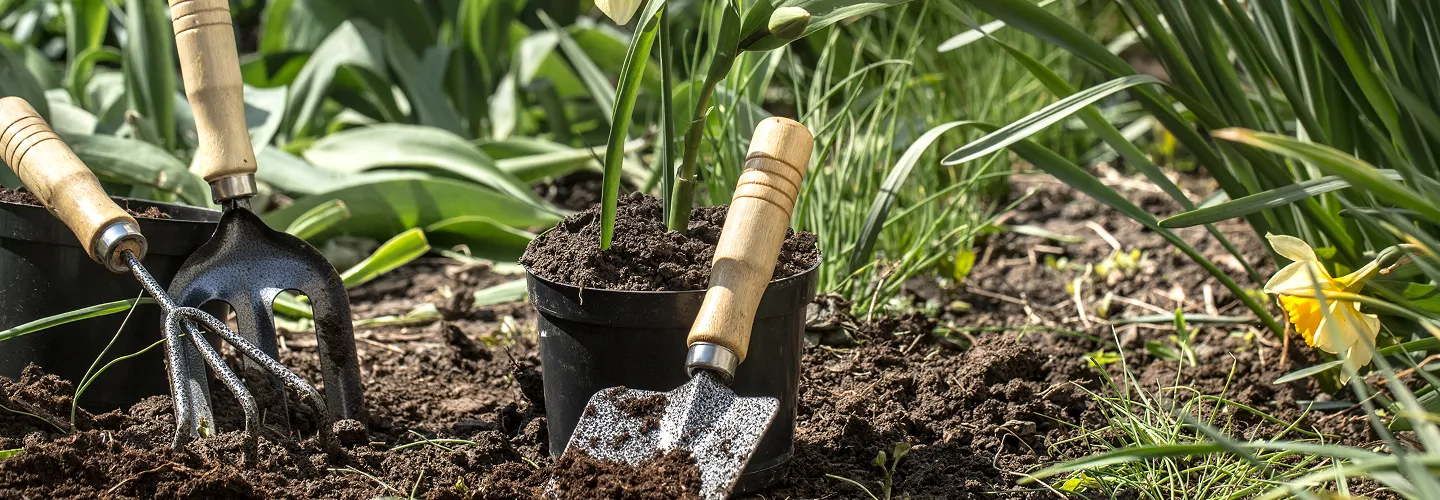
Southside Place Weeding Services
Choose our professional weeding services for a healthier, more beautiful landscape—our experienced team removes unwanted growth efficiently, ensuring your plants thrive and your yard stays immaculate all season long.
Get a Free QuoteOur Southside Place Landscaping & Yard Care Services
When to Schedule Weeding in Southside Place, Texas – Seasonal Guide
In Southside Place, Texas, the best times to schedule weeding are typically in early spring and late fall. The region’s subtropical climate means that weeds can thrive nearly year-round, but targeting them before their peak growth—just after the last frost in March and again before winter sets in—yields the most effective results. Neighborhoods near Fire Truck Park and along Auden Street often experience rapid weed growth due to the combination of rich soil and intermittent rainfall, making timely intervention essential.
Local environmental factors such as high humidity, occasional droughts, and varying shade coverage from mature oak and pecan trees all play a role in determining the optimal weeding schedule. Soil composition in Southside Place, which ranges from sandy loam to clay, also affects weed persistence and removal strategies. For more information on local climate patterns and gardening resources, visit the Sudbury town website.
Local Factors to Consider for Weeding in Southside Place
- Tree density and shade coverage, especially near parks and older neighborhoods
- Soil type (sandy loam vs. clay) impacting weed root systems
- Seasonal precipitation and drought risk
- Frost dates, typically late February to early March
- Municipal restrictions on herbicide use or yard waste disposal
- Terrain variations, such as sloped yards or drainage areas
Benefits of Weeding in Southside Place
Enhanced Curb Appeal
Healthier Plant Growth
Reduced Pest Infestation
Improved Soil Quality
Professional and Reliable Service
Time and Effort Savings
Southside Place Weeding Types

Hand Weeding
-
Mechanical Weeding
-
Mulching for Weed Control
-
Chemical Weed Removal
-
Flame Weeding
-
Soil Solarization
-
Selective Herbicide Application
Our Weeding Process
Site Evaluation
Weed Identification
Targeted Removal
Soil Treatment
Final Inspection
Why Choose Southside Place Landscape Services
-
Southside Place Homeowners Trust Us
-
Expert Lawn Maintenance
-
Reliable Scheduling
-
Competitive Pricing
-
Professional Team
-
Satisfaction Guarantee
-
Personalized Service
Soil Series and Drainage Considerations for Weeding in Southside Place
Weeding practices in Southside Place must account for the city’s predominant soil types, which include Houston Black clay and related Vertisols, as identified by the USDA Web Soil Survey. These soils are characterized by high clay content, pH levels typically ranging from 7.5 to 8.2, and poor drainage, leading to seasonal water retention and compaction. Effective weed removal requires mechanical extraction to a depth of 3-4 inches to disrupt root systems in dense clay. Soil amendment recommendations include:
- Compost incorporation: 2-3 inches tilled to 6-inch depth
- Lime application only if pH falls below 6.5 (rare in this region)
- Aeration every 2-3 years to reduce compaction Soil testing is available through Texas A&M AgriLife Extension for $15-25 per sample. These practices help ensure compliance with local landscaping standards and promote healthy turf recovery after weeding.
Municipal Yard Waste Collection and Weeding Debris Disposal in Southside Place
Proper disposal of weeding debris is regulated by Southside Place’s municipal waste management program. Yard waste collection occurs every Thursday from April through November. Residents must use biodegradable paper bags or reusable bins (32-gallon maximum); plastic bags and branches over 4 inches in diameter are prohibited. Accepted materials include:
- Weeds, leaves, and grass clippings
- Brush under 4 feet in length
- Small twigs and plant debris Improper disposal, such as placing debris in storm drains, violates the city’s MS4 permit under the Clean Water Act and may result in fines. For detailed collection schedules and compliance requirements:
Southside Place Public Works Department
6309 Edloe Avenue, Southside Place, TX 77005
Phone: (713) 668-2341
Official Website: Southside Place Public Works Department
Seasonal Timing and Weather Guidance for Weeding in Southside Place
Optimal weeding in Southside Place aligns with the city’s USDA Hardiness Zone 9a and local weather patterns, as forecasted by the National Weather Service Houston/Galveston Office. The best periods for manual and chemical weed removal are:
- Spring: March 15 – May 15 (soil temp 60–75°F)
- Fall: September 15 – November 1 (before first frost) Avoid weeding during June–August due to heat stress and rapid weed regrowth. Monitor rainfall, as saturated clay soils are prone to compaction if worked when wet. For up-to-date weather advisories and soil temperature data, consult the National Weather Service. Timely weeding reduces seed spread and supports compliance with city property maintenance codes.
Environmental Compliance and Stormwater Protection During Weeding Operations
Weeding activities in Southside Place must comply with state and federal environmental regulations, including the Texas Water Code and the Clean Water Act. The city’s MS4 permit prohibits the discharge of yard waste, soil, or herbicides into storm drains. Key compliance steps include:
- Maintain a 25-foot buffer from any wetlands or drainage ditches
- Never apply herbicides within 50 feet of open water
- Use only EPA-registered products for chemical weed control
- Collect and contain all debris for municipal pickup For regulatory guidance and reporting violations:
Texas Commission on Environmental Quality (TCEQ)
12100 Park 35 Circle, Austin, TX 78753
Phone: (512) 239-1000
Official Website: Texas Commission on Environmental Quality (TCEQ)
Equipment Operation Hours and Safety Standards for Weeding in Southside Place
Southside Place enforces specific noise and equipment operation ordinances for outdoor maintenance, including weeding. Permitted hours for powered equipment are:
- Monday–Friday: 7:00 AM – 7:00 PM
- Saturday: 8:00 AM – 6:00 PM
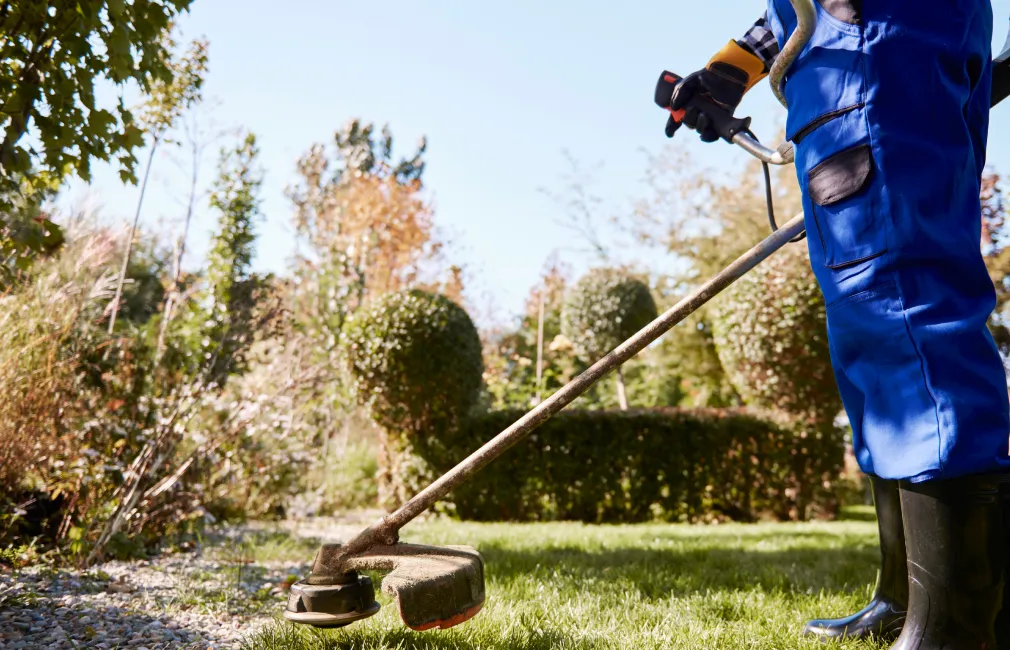
- Sunday and holidays: Prohibited Operators must use commercial-grade trimmers and maintain mufflers to keep noise below 85 decibels at property lines. Required personal protective equipment (PPE) includes:
- ANSI Z87.1 safety glasses
- Hearing protection for noise above 85 dB
- Cut-resistant gloves for manual removal
- Steel-toed boots with non-slip soles For ordinance details and enforcement:
Southside Place Building Department
6309 Edloe Avenue, Southside Place, TX 77005
Phone: (713) 668-2341
Official Website: Southside Place Building Department
What Neighborhoods Do We Serve Throughout Southside Place, TX?
- Southside Place Historic District: Features mature landscaping and dense tree canopy, requiring careful weed management to protect established root systems and comply with local preservation standards.
- Braes Heights: Characterized by expansive lots and Houston Black clay soils, which demand deep mechanical weeding and regular aeration to address compaction and drainage issues.
- Edloe Street Corridor: High pedestrian traffic and proximity to city parks necessitate strict adherence to debris containment and noise ordinances during weeding operations.
- Bellaire Junction: Includes properties near drainage channels, where a 25-foot buffer from water features is required to prevent runoff and protect stormwater quality.
- Sunset Boulevard Area: Noted for narrow lots and alley access, presenting logistical challenges for equipment and requiring compliance with city container and collection rules.
- Community Park Vicinity: Adjacent to public recreation spaces, this area requires heightened attention to chemical application restrictions and debris removal to safeguard public health and local ecosystems.